

Wealth

Episode #610 - Pricing Update: Nobody buys effort, not even from AI

AI is changing how companies price, but are tokens and credits bringing back the same old cost-plus mistakes? In Episode 610, Ron Baker and Ed Kless explore why customers buy a better tomorrow—and why charging for effort misses what they value.

The conversation ranges from price transparency to the limits of outcome-based pricing when “outcome” means only measurable profit. Peace of mind, trust, and transformation matter, too. Ron and Ed also examine where AI can strengthen pricing decisions and why strategy, imagination, and human judgment remain essential. When everyone has AI, what will still make your offering different?

SHOW NOTES

SEGMENT ONE

  • Tien Tzuo warns that AI is dragging vendors back to cost-plus pricing, which charges for effort and caps your upside at your costs: “Nobody wakes up wanting to buy tokens.” Ed adds that every problem with the billable hour in Ron’s The Professional’s Guide to Value Pricing also applies to token pricing.

  • Mark Stiving and Steven Forth ask why we need pricing models at all if AI agents can negotiate for buyers and sellers. Their answer is that prices carry information about value, scarcity and innovation potential: “The tension between the buyer and the seller is not a bug, it’s the engine.”

  • “Well, duh, value is subjective.” Pricing writers dance around it, but few will say outright that value is 100% subjective and not intrinsic to anything.

  • Price transparency means the buyer knows the price before saying yes, and it’s essential. Pricing transparency means explaining how you arrived at the price, and it isn’t. Ed’s urgent-care story shows that when a business skips the first, customers end up demanding the second.

SEGMENT TWO

  • Mark Stiving: “Credits are a confession that a company has not yet found where its value lies.” Credits are a made-up currency the company can change at will, like floating the ruler every day. Token pricing is like a restaurant charging by the gram.

  • Outcome-based pricing that only counts what lands on the buyer’s profit is far too narrow. Peace of mind is a real outcome that supports the entire insurance industry, and nobody ever got fired for buying IBM.

  • Danilo Zatta says AI may destroy margins by making offerings easier to compare, which pushes advantage toward trust, brand, experience and emotional connection. He asks, “When everyone has AI, what will still make us different?” The hosts’ answer is your offering: goods and services, experiences, or transformations.

  • Zatta again: “An algorithm cannot optimize a pricing strategy that does not exist.” Pricing teams once worshiped elasticity and now worship AI, yet “customers do not buy prices, they buy stories.”

SEGMENT THREE

  • From one of Ron and Ed’s AI-drafted Reflection & Response pieces: “Customers rarely buy effort with enthusiasm. They buy a better tomorrow.”

  • Many of the best business decisions, like Netflix, Apple, Tesla and Amazon, looked stupid at first, and none came from historical optimization. AI learns from history, and “average excellence is still average.” Judgment, imagination and contrarian thinking have to stay human.

  • “Pricing is not physics. Gravity doesn’t negotiate. Customers do.” Once you publish a price, the market reacts to it, and “prices do not measure demand. They create it.”

  • AI can optimize within a pricing strategy, but it can’t choose the strategy, because pricing is downstream of strategy. Instead of asking AI for the optimal price, ask for the most interesting one. If AI is right 95% of the time, who’s going to challenge it?

SEGMENT FOUR

  • The Economist’s Bartleby column celebrates “the greatest advance in consulting since the quadrant”: a young consultant who added a fifth box to the 2x2 and called it the quindrant.

  • Rainer Zitelmann, writing for FEE, argues that empathy rather than greed drives capitalism. Ed counters that what Zitelmann describes, understanding another person’s feelings and motives, is sympathy. Empathy means feeling their pain yourself.

  • If the iPhone had flopped, would that mean Steve Jobs lacked empathy? Products are theories, and innovators don’t simply deliver what customers think they need. They don’t build a faster horse.

  • Artists project their own view of the world, but entrepreneurs have to focus on the customer’s. That’s why Stanley Marcus’s father started him in the shoe department, kneeling in front of every customer.

Bonus Content is Available As Well

Did you know that each week after our live show, Ron and Ed take to the microphone for a bonus show? Typically, this bonus show is an extension of the live show topic (sometimes even with the same guest) and a few other pieces of news, current events, or things that have caught our attention.

Click the “FANATIC” image to learn more about pricing and member benefits. 

Episode #609 - Zero Entry: Interview with Jeff Seibert and Rob Hamilton

What happens to the accounting profession when the data entry disappears? Ron and Ed welcome Rob Hamilton and Jeff Seibert, authors of the new book Zero Entry: The Unstoppable Forces Reshaping the Accounting Profession—and the Opportunity of a Lifetime. They explore the technological, economic, and demographic forces converging on accounting, why AI represents far more than another efficiency tool, and what firms must do to thrive as routine work is increasingly automated.

Rather than predicting the demise of the accountant, Rob and Jeff make the case for something much more interesting: technology can free professionals from tedious work and elevate the distinctly human capabilities of judgment, trust, ethics, and strategic guidance. The conversation examines what the next few years could mean for firm business models, talent, technology, pricing, and the changing relationship between accountants and their customers. Is AI a threat to the profession—or the opportunity accountants have been waiting for?

About Jeff Seibert
Jeff Seibert is co-founder and CEO of Digits, an AI-native accounting platform. Previously Twitter's Head of Consumer Product, Jeff co-founded Crashlytics, acquired by Twitter in 2013, and Increo, acquired by Box. A Stanford computer science graduate and longtime entrepreneur and investor, he also appeared in the Netflix documentary The Social Dilemma. His experience building technology companies gives him a distinctive perspective on how AI will reshape accounting. Digits

About Rob Hamilton
Rob Hamilton is Head of Partnerships & Business Development at Digits. His career spans technology, finance, and strategic partnerships, with previous roles at Amazon, Twitch, Alexa, Twitter/Gnip, FactSet, and Apple. His years working at the intersection of technology, partnerships, and the accounting profession inform Zero Entry's examination of how AI and automation are changing firms—and the opportunities those changes create.

SHOW NOTES

Segment one

  • Here is a link to the NEW BOOK from Jeff and Rob, “Zero Entry: The unstoppable forces reshaping the accounting profession—and the opportunity of a lifetime” https://www.amazon.com/dp/B0H294XZBT?lv=shuf&channelId=500&plpRedirect=mhFallback 

  • Rob and Jeff explained today that Zero Entry (their book) is intended to help accountants navigate the shift from software changing where work happens to AI changing how work happens. The book is NOT a software sales pitch. It focuses on the forces reshaping the profession. https://www.amazon.com/dp/B0H294XZBT?lv=shuf&channelId=500&plpRedirect=mhFallback 

  • “I’ve never hired an accountant because I wanted data entry. Right? You hire an accountant because I want to better understand my business.” —Jeff Seibert of Digits

  • “[Transactional work is] not what you’re selling anymore. You’re selling the outcome. […] The value doesn’t change, but it does change how you describe yourself and your value to that client.” —Rob Hamilton of Digits

Segment two

  • In 2018, Jeff asked, “What would the modern data architecture of accounting software want to look like in order for machine learning to act on it?” The answer…..Digits

  • I love the POV from Jeff and Rob today: Previous technology shifts, from desktop software to cloud accounting, for example, primarily changed where accountants worked. AI can eliminate entire categories of manual work, including transaction entry and other repeatable processes.

  • Digits has a transparent pricing page on their website. They are assuming the AI token risk so you, the customer, just need to focus on the fixed price. https://digits.com/pricing/ 

Segment three

  • “Banking is necessary. Banks are not.” —Ed Kless on the show today

  • Rob Hamilton of Digits talked today about how accountants were never fundamentally hired just to categorize transactions or complete the monthly close. Their deeper purpose is to interpret financial information and help business owners make better decisions.

  • The Jevons Paradox received a shout out in Jeff and Rob’s book, Zero Entry! More here: https://en.wikipedia.org/wiki/Jevons_paradox

  • “The business owner doesn’t trust the output of AI when you’re talking about accrual basis, and they really do want an accountant at that point.” —Jeff Seibert of Digits

Segment four

  • “We are about a month and a half in to the age of computer use agents. […] Literally day by day, week by week, you’re seeing just incredible new capabilities emerge.” —Jeff Seibert of Digits

  • “I am broadly optimistic and what I’ve found is that [AI] does make a lot more [in life and business] naturally and innately human, and, the value of human connection is only going to continue to go up.” —Rob Hamilton of Digits

  • A big THANK YOU to Rob and Jeff for joining us today. Check out their book, Zero Entry, at this link https://www.amazon.com/dp/B0H294XZBT?lv=shuf&channelId=500&plpRedirect=mhFallback 

Bonus Content is Available As Well

Did you know that each week after our live show, Ron and Ed take to the microphone for a bonus show? Typically, this bonus show is an extension of the live show topic (sometimes even with the same guest) and a few other pieces of news, current events, or things that have caught our attention.

Click the “FANATIC” image to learn more about pricing and member benefits. 
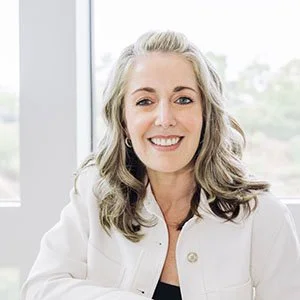
Episode #608 - The Abundant Accountant: Interview with Michelle Weinstein

In this episode, Michelle Weinstein joins Ron and Ed to challenge many of the assumptions accountants have about sales, pricing, and client relationships. They discuss why so many professionals undercharge despite delivering tremendous value, how to overcome the discomfort of selling, and why moving from compliance work to trusted advisory starts with changing your mindset. Whether you’re struggling to raise your fees, attract better clients, or simply become more confident in business development, this conversation offers practical insights for building a more profitable—and more abundant—practice.

Michelle Weinstein believes that technical expertise alone isn’t enough to build a thriving accounting firm—you have to be able to confidently communicate your value. As founder of The Abundant Accountant and The Pitch Queen, Michelle has helped accounting professionals add millions in revenue by replacing fear-based selling with authentic, value-driven conversations.

About Michelle Weinstein

Michelle Weinstein is a seasoned entrepreneur, sales strategist, and founder of The Abundant Accountant. She helps accounting, tax, fractional CFO, and bookkeeping firm owners own their value and confidently sell high-level services without pressure or burnout. Her clients have collectively added over $38 million in additional revenue to their firms, all without working more hours, chasing more clients, or doing anything they didn’t want to do.

SHOW NOTES

Segment one

  • Why are accountants terrified of selling and asking for money? “I think the problem is that the profession wants to help everyone.” —Michelle Weinstein

  • “You think that more clients are going to solve your problem, and it’s not. It actually compounds the problem.” —Michelle Weinstein

  • “Prescription without diagnosis is malpractice.” —from Ron today on the show

Segment two

Segment three

  • Michelle Weinstein is the Abundant Accountant but she is also THE Pitch Queen! https://www.thepitchqueen.com/ 

  • “I think every firm owner is so unique and different and that what we sell is our knowledge…I would actually go against [a request for proposal]” —Michelle Weinstein

  • “What are the top 10 things that drive you crazy about the clients that you would want to fire right now, but you’re too scared to do it because you don’t want to lose the revenue? Those are the things that you should look for in walking the other way [from prospects].” —Michelle Weinstein

  • “We have to educate on the potential consequences at play. That’s another step int he sale process, is thinking about the cost and consequences of what your prospects could potentially pay financially, emotionally, time-wise, if they do not engage your firm.” —Michelle Weinstein

Segment four

  • “I actually have a rule that you’re not allowed to use any AI from my course for eight weeks, because you have to understand and learn the psychology of sales and how to sell. No AI is going to be in a sales meeting with a client.” —Michelle Weinstein

  • “You need to learn how to sell. If you’re in a job, you don’t have to the be one who’s the rainmaker brining in the revenue. But if you start a firm you signed up for a 24/7 sales career.” —Michelle Weinstein

  • A big THANK YOU to Michelle Weinstein for joining us today. She is THE Abundant Accountant! Learn more at https://theabundantaccountant.com/ 

Bonus Content is Available As Well

Did you know that each week after our live show, Ron and Ed take to the microphone for a bonus show? Typically, this bonus show is an extension of the live show topic (sometimes even with the same guest) and a few other pieces of news, current events, or things that have caught our attention.

Click the “FANATIC” image to learn more about pricing and member benefits. 
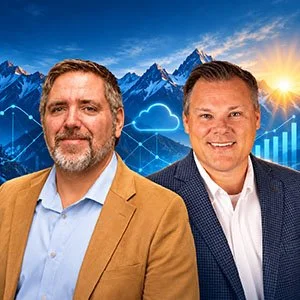
Episode #607 - Beyond the Software: Rethinking Accounting Technology

Ron and Ed welcome John Dierkhising of Bottom Line Accounting Services and returning guest Shannon Kaiser of Summit for a conversation at the intersection of accounting, technology, and service. John brings the perspective of a practitioner who supports businesses using Sage and other accounting technologies, while Shannon brings deep experience in application hosting, cloud infrastructure, and managed services. Together, they explore how the right technology environment can remove friction, improve support, and allow firms to serve more clients without adding unnecessary complexity. Expect a practical discussion about Sage, hosting, scalability, reliability, and what accounting professionals should really be looking for from their technology partners.

About John Dierkhising

John Dierkhising is the owner of Bottom Line Accounting Services, a Minnesota-based firm providing accounting, bookkeeping, and financial software consulting. John and his team specialize in helping businesses get more from systems including Sage, QuickBooks, Crystal Reports, and related technologies. A longtime Sage practitioner and consultant, John brings a hands-on perspective on how accounting technology, support, and hosting can help firms operate more efficiently and serve clients at scale.

About Shannon Kaiser

Shannon Kaiser is General Manager of Application Hosting at Summit and a veteran technology executive with extensive experience in cloud infrastructure, cybersecurity, application delivery, and managed services. He has led engineering, operations, and technology teams and today focuses on helping organizations build secure, scalable technology environments that support growth while reducing operational risk. Shannon previously joined TSOE for Episode #590, “Security, Scale, and Trust.”

SHOW NOTES

Segment one

  • What’s the biggest implementation gap today? John has seen over the last few years (after the rush to the cloud) has been the ability for long time business owners to come up to speed on existing technology. Which is where Bottom Line Accounting Services helps.

  • The emergence of AI in the SMB space is an area of opportunity that Shannon sees in the space today.

  • John’s team uses an agnostic tool to reach into Sage 50 and Sage 100 data, layer over a SQL mirror, and use AI to ask questions in real time.

  • Are there still misconceptions about the cloud, critical business data, and security? “Oh my goodness.” —Shannon Kaiser of Summit

Segment two

  • What’s the biggest accounting profession problem today (outside of technology) according to John Dierkhising of Bottom Line Accounting Services? Being real time with the clients and helping with succession planning

  • John had a great answer to “Should we work with a fewer number of customers?” during segment two of the show today. Mostly, yes but his answer was about the nuances of more vs less.

  • “Technology Agnostic, Outcome Obsessed: A New Rubric for Evaluating Infrastructure” by Shannon Kaiser https://summithq.com/new-rubric-for-evaluating-infrastructure/ 

  • From Shannon’s article, “In a recent Accenture study, only 20% of AI tokens used were tied directly to business outcomes. The rest? Experiments and tech for tech’s sake.” https://summithq.com/new-rubric-for-evaluating-infrastructure/ 

  • GREAT question from Ron to John today in segment three: “Do we rally have a talent shortage or do we have a shortage of companies offering jobs to young people worth doing?”

 Segment three

  • Regarding AI in the ERP space from John Dierkhising: “You don’t see as much on the customization side where you would need to worry about some of the growth later.” EXACTLY. AI provides much more flexibility (editor’s note: but not necessarily scalability)

  • Regarding AI in the ERP space from Shannon Kaiser of Summit: “Customization becomes less and less of a need [as a result of AI] because you can then ask for ad hoc reports.”

  • What about a Quickbooks replacement that is completely vibe-coded? “That’s definitely in play. I almost feel like migration to the cloud 3 years ago was big. […] And now coming off a legacy system, you will be going to an AI system.” —John Dierkhising of Bottom Line Accounting Services

  • John Dierkhising of Bottom Line Accounting Services called out a pretty important challenge related to AI adoption in a typical accounting business customer base: “I don’t see how it solves the issue on the client side where it’s hard to get clients move and change.”

Segment four

  • What KPIs need changing as a result of AI? The standard costing side, work in process, production control - just to name a few from John Dierkhising

  • Does agentic AI cause the whole concept of a software stack to disappear? “If I had to put my money on one bet, that would be it.” —Shannon Kaiser of Summit

  • A big THANK YOU to John Dierkhising of Bottom Line Accounting Services and Shannon Kaiser of Summit for joining us today! 

Bonus Content is Available As Well

Did you know that each week after our live show, Ron and Ed take to the microphone for a bonus show? Typically, this bonus show is an extension of the live show topic (sometimes even with the same guest) and a few other pieces of news, current events, or things that have caught our attention.

Click the “FANATIC” image to learn more about pricing and member benefits. 

Episode #606 - Adhūc Magis Magnifica Humanitas: Interview with Fr. Robert Sirico

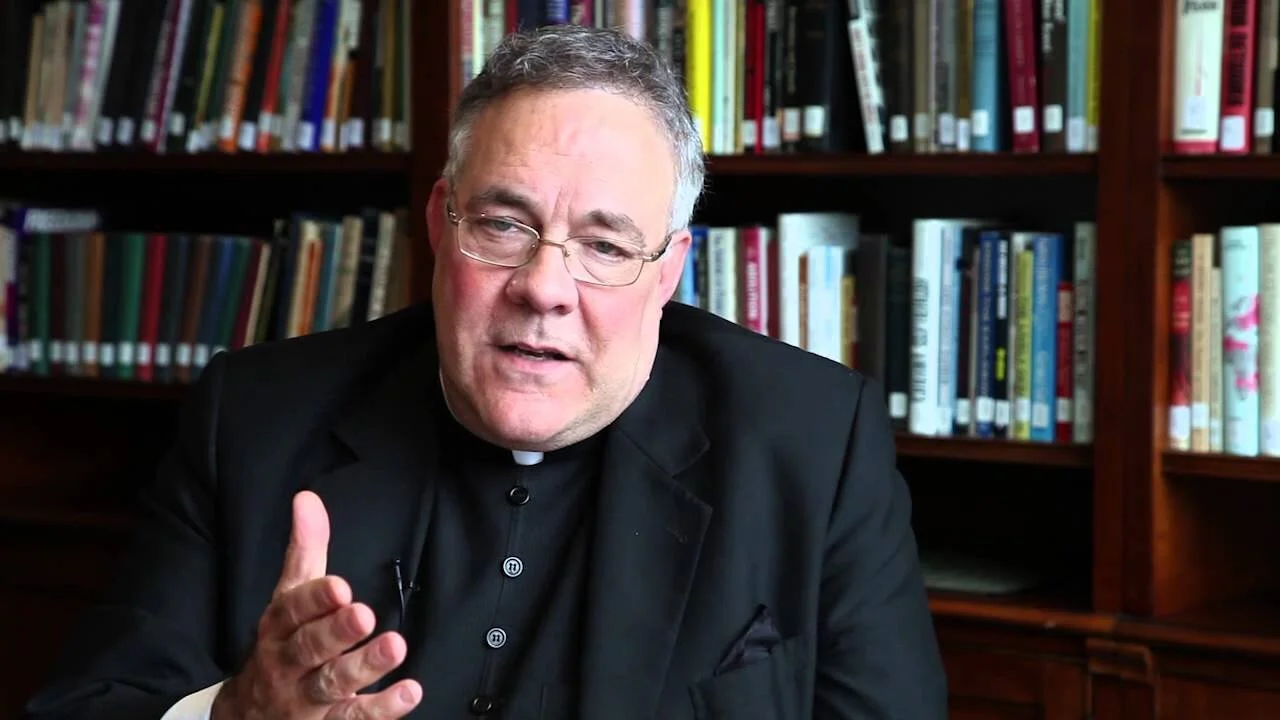
Ron and Ed welcome back Fr. Robert Sirico, co-founder and president emeritus of the Acton Institute, for a wide-ranging conversation about human dignity, liberty, economics, and the moral foundations of a free society using the framework of Leo XIV's encyclical, Hagnifica Humanitas. Drawing on decades of work at the intersection of theology and economics, Fr. Sirico explores why the human person must remain at the center of economic life and why markets, entrepreneurship, and business are ultimately about far more than material prosperity.

Along the way, they discuss the relationship between freedom and virtue, the dignity of work, the moral responsibilities of business, and the institutions necessary for human flourishing. It’s a conversation that goes to the very soul of enterprise: How do we build an economy that recognizes not merely what people produce, but who they are?

ABOUT FATHER SIRICO

Rev. Robert A. Sirico is co-founder and president emeritus of the Acton Institute, which promotes a free and virtuous society grounded in individual liberty and religious principles. A Catholic priest, author, speaker, and commentator, he has written extensively on economics, ethics, religion, and civil society. His work explores the moral foundations of markets and the essential place of human dignity, freedom, and responsibility in economic life.

SHOW NOTES

Segment one

Segment two

Segment three

Segment four

Bonus Content is Available As Well

Did you know that each week after our live show, Ron and Ed take to the microphone for a bonus show? Typically, this bonus show is an extension of the live show topic (sometimes even with the same guest) and a few other pieces of news, current events, or things that have caught our attention.

Click the “FANATIC” image to learn more about pricing and member benefits. 

Episode #605 - Free-Ridin' Ron: The Jury’s Out

What happens when there’s no guest, no predetermined topic, and possibly only one host? It’s time to bring back the spirit of Free-Rider Friday.

With Ed potentially sidelined by jury duty, Ron raids his ever-growing stack of articles, ideas, observations, and assorted intellectual curiosities for a wide-ranging tour through whatever has captured his attention lately. Economics, business, technology, culture, pricing—and probably a few things that defy categorization—are all fair game.

No agenda. No guest. No guarantee where we’ll end up. Just the kind of intellectual free ride longtime listeners of The Soul of Enterprise will remember fondly.

SHOW NOTES

Segment one

Segment two

Segment three

Segment four

Bonus Content is Available As Well

Did you know that each week after our live show, Ron and Ed take to the microphone for a bonus show? Typically, this bonus show is an extension of the live show topic (sometimes even with the same guest) and a few other pieces of news, current events, or things that have caught our attention.

Click the “FANATIC” image to learn more about pricing and member benefits. 

Episode #604 - Remembering 9/11, Reflecting on America at 250

Twenty-five years to the day after the attacks of September 11, 2001, Ron and Ed commemorate a day that changed America and changed each of us in ways both large and small. They share personal stories and memories from that time, reflecting on where they were, what they experienced, and what remains vivid a quarter-century later.

Against the backdrop of America’s 250th anniversary, the conversation broadens to consider the country we were then, the country we are now, and the ideals that have endured through crisis, conflict, and change. Along the way, Ron and Ed offer a few additional USA 250 reflections on liberty, citizenship, national character, and the remarkable resilience of the American experiment.

A personal and contemplative episode about memory, gratitude, loss, and what it means to remember.

SHOW NOTES

Segment one

Segment two

Segment three

Segment four

Bonus Content is Available As Well

Did you know that each week after our live show, Ron and Ed take to the microphone for a bonus show? Typically, this bonus show is an extension of the live show topic (sometimes even with the same guest) and a few other pieces of news, current events, or things that have caught our attention.

Click the “FANATIC” image to learn more about pricing and member benefits. 
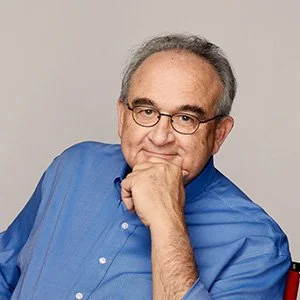
Episode #603 - Deep Story: Interview with Bob Rogers

What makes an experience unforgettable? Why do some ideas, brands, museums, and attractions merely inform us while others permanently change how we think, feel, and act?

In this episode of The Soul of Enterprise, Ron and Ed welcome Bob Rogers, founder of BRC Imagination Arts and author of Deep Story: The Complete Guide to Creating Transformational Themed Attractions. Drawing on decades of experience designing award-winning visitor experiences for organizations ranging from Disney and NASA to Coca-Cola and the Abraham Lincoln Presidential Library and Museum, Bob explains the difference between entertainment, engagement, and true transformation.

The conversation explores the power of storytelling to shape identity, create lasting emotional connections, and inspire action. Bob shares the principles behind “Deep Story,” the framework he developed for creating experiences that move audiences beyond awareness and into meaningful change. Together, the hosts and Bob discuss what business leaders, educators, marketers, and experience designers can learn from the world’s most successful attractions—and why the future belongs not merely to the Experience Economy, but to organizations capable of creating transformation.

Whether you’re building a brand, leading a firm, teaching a subject, or simply fascinated by the art and science of storytelling, this episode offers a masterclass in creating experiences people never forget.

ABOUT BOB ROGERS

Bob Rogers is the founder of BRC Imagination Arts, a globally recognized design and production company that creates transformative visitor experiences for leading brands, museums, and cultural institutions. A filmmaker, inventor, writer, and master storyteller, Bob has earned Academy Award nominations, received the IAAPA Thea Award for Lifetime Achievement, and helped shape attractions for organizations including Disney, NASA, Coca-Cola, and the Abraham Lincoln Presidential Library and Museum

SHOW NOTES

Segment one

  • So what is Bob’s book about? “If you seek to change the world, permanently and measurably increasing your visitors’ interest in your subject or your brand, read on. This book is for you.” More here: https://www.amazon.com/dp/1963714156?lv=shuf&channelId=500&plpRedirect=mhFallback 

  • The famous quote by baseball legend Yogi Berra is, "If you don't know where you are going, you might wind up someplace else."

  • Coined by Joe Pine and Jim Gilmore in their framework on the Transformation Economy, an “invitational transformation” is a marketing experience where a company invites customers to evolve or change their identity. This is right up Bob’s alley for our conversation today.

  • "Story telling implies a one-way communication. I’m telling you something. Story making is […] participatory. It’s reacting to what the audience or the customer is doing. And it allows the customer or the audience to be a participant in deciding what happens next." —Bob Rogers of BRC

Segment two

  • Here is a direct link to the book Ron “begged” you to get at the beginning of segment two: https://www.amazon.com/dp/1963714156?lv=shuf&channelId=500&plpRedirect=mhFallback 

  • “If you want to connect the heart of the audience with the heart of the subject you go deep into the audience and deep into the subject or the brand. And what you’re looking for […] is an emotional trigger.” —Bob Rogers of BRC

  • Regarding the emotional trigger and how we can find it. “They start with the technology they want to use; they start with the design of the building they want to use…instead of something that the audience is actually interested in.” —Bob Rogers of BRC

  • Bob Rogers was fired from Disney three times. This is not an embellished story. Bob has told this story before including on The Soul of Enterprise today.

Segment three

  • Bob Rogers earned a Guinness World Record for producing and writing “Impressions de France”, which achieved the title for the longest-running daily screening of a film in the same theater. https://www.bobrogers.com/awards 

  • Bob has a STRONG process for arriving at an objective statement at the start of each project. He shared the start of this process on the show today, “Talk about what’s the difference in behavior and make it observable and measurable.” —Bob Rogers of BRC

  • Today I learned: Joe Pine says that Bob Rogers introduced him to the idea of “invitational transformations.” Pine initially questioned whether that was really a transformation, but came to believe it was and subsequently incorporated the concept into his own thinking about the Transformation Economy. More here: https://transformationsbook.substack.com/p/deep-story 

Segment four

  • Two projects that stand out to Bob Rogers: BRC Imagination Arts itself (Bob has been building this company for 45 years) and “the next one” (It’s always the next one as Bob says)

  • “In the end, this is a service. The client has a vote in it. It’s their ‘visitor center’. You want them to be happy. So if they direct us to do something that we think is not their best choice, we have a responsibility to tell them. I think you’ve got a better choice.” —Bob Rogers of BRC closing words on The Soul of Enterprise today.

  • A big THANK YOU to Bob Rogers of BRC Imagination Arts for joining us today. Folks, you need to read his book, Deep Story. Seriously. More at this link: https://www.amazon.com/dp/1963714156?lv=shuf&channelId=500&plpRedirect=mhFallback 

Bonus Content is Available As Well

Did you know that each week after our live show, Ron and Ed take to the microphone for a bonus show? Typically, this bonus show is an extension of the live show topic (sometimes even with the same guest) and a few other pieces of news, current events, or things that have caught our attention.

Click the “FANATIC” image to learn more about pricing and member benefits. 
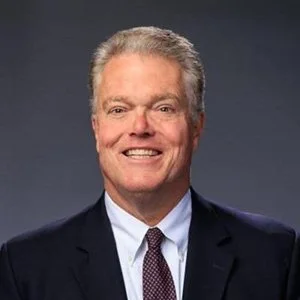
Episode #602 - The Answer Is Still Transaction Costs: Michael Munger Returns

Professor Michael Munger returns to The Soul of Enterprise for a fourth visit and once again, the answer is transaction costs. Ron and Ed catch up with the Duke University economist, political scientist, author, and host of The Answer Is Transaction Costs to explore some of the provocative questions he has tackled in the podcast’s latest summer episodes.

Why is being late an economic problem rather than merely bad manners? How have social media dramatically lowered the cost of coordinating outrage? Can transaction costs even explain the battle between the person who makes a resolution tonight and the same person who breaks it tomorrow?

Along the way, we’ll explore Munger’s larger argument that transaction costs are hiding in plain sight, shaping markets, institutions, cooperation, incentives, and everyday human behavior. It’s another wide-ranging conversation with one of TSOE’s favorite economists and the Knower of Important Things.

ABOUT MICHAEL C. MUNGER

Mike Munger is the Pfizer/Edmund T. Pratt, Jr. University Distinguished Professor at Duke University, with appointments in Political Science, Economics, and Public Policy. A former president of the Public Choice Society and former FTC staff economist, he studies markets, institutions, regulation, and the sharing economy. He is the author of Tomorrow 3.0 and The Sharing Economy and hosts The Answer Is Transaction Costs podcast.

SHOW NOTES

Segment one

  • “Capitalism may contain the sees of its own destruction.” —Michael Munger from his book “Is Capitalism Sustainable?” https://www.amazon.com/dp/B07VZ8ZP11?lv=shuf&channelId=500&plpRedirect=mhFallback 

  • “As long as we continue to have a dynamic economy, yes, innovation will save us.” —Michael Munger in reference to his sharing economy book. More info here: https://polisci.duke.edu/books/tomorrow-30-transaction-costs-and-sharing-economy 

  • Professor Munger has a theory on AI and it starts like this (the rest is in segment one): “For many firms, they’re going to get smaller. For some firms, they’re going to get much larger.” —Michael Munger

  • “For many people, there’s going to be poverty, and I think populism is the next great democratic threat. And it’s because of transaction costs.” —Michael Munger

Segment two

  • “Remember, transaction costs are triangulation, transfer, and trust.” —Michael Munger; More at this link: https://thedailyeconomy.org/article/to-consumers-all-costs-are-transaction-costs/ 

  • “Uber doesn’t sell rides. Everybody thinks that Uber sells rides. What Uber sells is a reduction in transaction costs. They sell connections.” —Michael Munger

  • Today I learned: “The title of my podcast, The Answer is Transaction Costs, does come from my dissertation defense” —Michael Munger https://taitc.buzzsprout.com/ 

  • “I think there are people who would argue that the current Congress has excessive transaction costs, but that system was designed to protect minorities, and it’s doing it’s job […]” —Michael Munger

Segment three

  • What’s the biggest transaction cost in American politics? “Right now we have, paradoxically, sort of weak parties in the sense that the margins are so close that neither the Democrats nor the Republicans have much ability to force their members to vote in a particular way.” —Michael Munger

  • Isn’t the point to have competition between the [political] parties, no so much within the parties? “There’s an empirical answer to that question, and that is, what is the fastest growing group in the American electorate? And the answer is independents, people who associate with neither party” —Michael Munger

  • On charismatic authority: https://en.wikipedia.org/wiki/Charismatic_authority 

  • "Time price" measures the actual cost of a good or service by calculating how many hours of work are required to buy it, a concept Mark Twain famously illustrated through economic debates in A Connecticut Yankee in King Arthur's Court. https://humanprogress.org/mark-twain-explains-time-prices/ 

Segment four

  • “Who was their first?” gives us a sense of the cause of externality based on the right of first possession. Wrap your had around that one and then check out segment four with Professor Munger today.

  • Nobel laureate economist William Nordhaus found that innovators and producers capture only about 2.2% of the total economic value they generate, while the remaining 97.8% flows to society. https://www.iedm.org/entrepreneurs-give-much-more-than-they-take/ 

  • A big THANK YOU to Professor Munger for joining us today. Check out his podcast, The Answer Is Transaction Costs, in your favorite podcast player or at this link https://taitc.buzzsprout.com/ 

Bonus Content is Available As Well

Did you know that each week after our live show, Ron and Ed take to the microphone for a bonus show? Typically, this bonus show is an extension of the live show topic (sometimes even with the same guest) and a few other pieces of news, current events, or things that have caught our attention.

Click the “FANATIC” image to learn more about pricing and member benefits. 
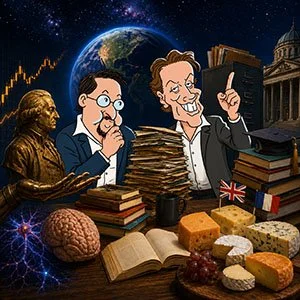
Episode #601 - Markets, Martians & Muenster

Ed and Ron (mostly Ron) empty out the overflowing stack of stuff and roam wherever intellectual curiosity takes them. On the docket: how Adam Smith's invisible hand actually works; what we should make of the latest government files on UFOs and UAPs (color us skeptical); whether standing desks are really healthier than sitting; the strange economics and crony capitalism of the college textbook market; encouraging news in the fight against dementia; and, in what may amount to professional heresy, the case against CPA licensing.

And because no serious program on economics, business, and human flourishing would be complete without it, we'll investigate an important question of Western civilization: Does Britain really have more cheeses than France?

SHOW NOTES

Segment one

Segment two

Segment three

Segment four

Bonus Content is Available As Well

Did you know that each week after our live show, Ron and Ed take to the microphone for a bonus show? Typically, this bonus show is an extension of the live show topic (sometimes even with the same guest) and a few other pieces of news, current events, or things that have caught our attention.

Click the “FANATIC” image to learn more about pricing and member benefits. 
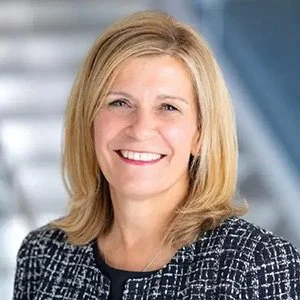
Episode #600 - Beyond Membership: Interview with Denise Froemming

What does it take to lead one of the largest state CPA societies through one of the most transformative periods in the profession’s history? In this episode, Ron and Ed welcome Denise Froemming, President and CEO of CalCPA, for a wide-ranging conversation about the future of accounting, professional associations, and leadership in an era defined by AI and rapid change.

Drawing on her experience leading major professional organizations, Denise shares how CalCPA is reimagining its role—from serving members to building a vibrant professional community that helps CPAs thrive amid shifting business models, changing talent expectations, and emerging technologies. The discussion explores the profession’s pipeline challenge, the evolving value of the CPA credential, the importance of authentic leadership, and why curiosity and adaptability are becoming the defining traits of successful professionals.

Whether you’re a CPA, firm leader, educator, or simply interested in how professions reinvent themselves, this conversation offers practical insights into leading through change while keeping people at the center.

About Denise Froemming
Denise Froemming, CPA, CAE, MBA, is President and CEO of CalCPA and the CalCPA Education Foundation. An accomplished association executive, she previously served as CEO of the Institute of Real Estate Management (IREM) and held executive leadership roles at the American Health Information Management Association (AHIMA). Denise is recognized for driving organizational transformation, fostering inclusive cultures, and advancing innovation to help the accounting profession thrive in a rapidly changing world.

SHOW NOTES

Segment one

Segment two

Segment three

  • The CalCPA Connect app is the official mobile app for members of the California Society of CPAs. Here is the app link: https://apps.apple.com/us/app/calcpa-connect/id6760369220 

  • Stay tuned for more information on CalCPA’s Next Page, a book club for the industry! 

  • It’s so refreshing to hear someone in Denise’s role talk about how to advocate for the industry and educate those in the community. “Impact” is the key word for CalCPA.

  • The CalCPA Youtube channel referenced by Ron today: https://www.youtube.com/calcpa 

Segment four

Bonus Content is Available As Well

Did you know that each week after our live show, Ron and Ed take to the microphone for a bonus show? Typically, this bonus show is an extension of the live show topic (sometimes even with the same guest) and a few other pieces of news, current events, or things that have caught our attention.

Click the “FANATIC” image to learn more about pricing and member benefits. 

Episode #599 - Magis Magnifica Humanitas: Building Babel or Jerusalem

Last week, Ron and Ed began exploring Pope Leo XIV’s landmark social encyclical Magnifica Humanitas. This week, they continue the conversation, moving beyond first impressions into the document’s deeper implications for business, technology, and the future of human flourishing.

What does it mean to remain fully human in an age increasingly shaped by artificial intelligence? Can technology serve the common good without reducing people to data points or algorithms? And is AI simply another powerful tool—or does it force us to confront far more fundamental questions about freedom, responsibility, work, and what it means to become the person we are called to be?

Along the way, Ron and Ed reflect on the encyclical’s surprising engagement with economics, subsidiarity, solidarity, transhumanism, and the enduring tension between efficiency and human dignity. Whether you agree with every conclusion or not, Magnifica Humanitas offers one of the most thoughtful frameworks yet for understanding the AI revolution through the lens of philosophy, theology, and civilization itself.

Join us as we continue asking the question that lies at the heart of both the encyclical and The Soul of Enterprise: not simply what AI can do, but what kind of people—and what kind of society—it is helping us become.

SHOW NOTES

Segment one

Segment two

Segment three

Segment four

Bonus Content is Available As Well

Did you know that each week after our live show, Ron and Ed take to the microphone for a bonus show? Typically, this bonus show is an extension of the live show topic (sometimes even with the same guest) and a few other pieces of news, current events, or things that have caught our attention.

Click the “FANATIC” image to learn more about pricing and member benefits. 

Episode #598 - Magnifica Humanitas: Second interview with Father Vincent DeRosa

Father Vincent DeRosa returns to The Soul of Enterprise to examine Magnifica Humanitas, Pope Leo XIV’s first encyclical and a landmark reflection on safeguarding human dignity in the age of artificial intelligence. Building on our earlier conversation about Rerum Novarum, we explore how Catholic social teaching continues to evolve while remaining rooted in timeless principles.

Ron, Ed, and Father Vincent discuss why the Church sees AI as a defining challenge of our era, drawing compelling parallels between today’s technological revolution and the Industrial Revolution that inspired Rerum Novarum 135 years ago. Together they unpack themes including the common good, human dignity, work, innovation, and the ethical responsibilities of business leaders as AI reshapes organizations and society.

Whether you’re religious or not, this conversation offers a thoughtful framework for asking one of the most important questions of our time: How do we ensure that technology serves humanity—rather than the other way around?

About Father Vincent DeRosa

Father Vincent DeRosa is a Catholic priest, educator, and thoughtful commentator on the intersection of faith, ethics, technology, and economics. Returning to The Soul of Enterprise after his popular discussion of Rerum Novarum, Father Vincent helps translate centuries of Catholic social teaching into practical insights for today’s business leaders. His work explores how enduring principles of human dignity and the common good can guide decision-making in the age of artificial intelligence.

SHOW NOTES

Segment one

Segment two

Segment three

  • From Chapter Five of MAGNIFICA HUMANITAS: “Finally, I would like to employ the expression “to disarm,” which is close to my heart. Disarming AI means freeing it from the mentality of “armed” competition, which today is not limited simply to the military context, but is also an economic and cognitive phenomenon.” https://www.vatican.va/content/leo-xiv/en/encyclicals/documents/20260515-magnifica-humanitas.html#The_need_to_disarm_words 

  • This might be the deepest question asked on the show today. From Ron to Father Vincent DeRosa: “AI isn’t just a technological revolution. It could be a spiritual one, too. Is that possible?”

  • “It is incumbent upon man to use his time well to develop philosophy and poetry and the arts, and all of those other benefits that we all year for.” —Father Vincent DeRosa

Segment four

Bonus Content is Available As Well

Did you know that each week after our live show, Ron and Ed take to the microphone for a bonus show? Typically, this bonus show is an extension of the live show topic (sometimes even with the same guest) and a few other pieces of news, current events, or things that have caught our attention.

Click the “FANATIC” image to learn more about pricing and member benefits. 
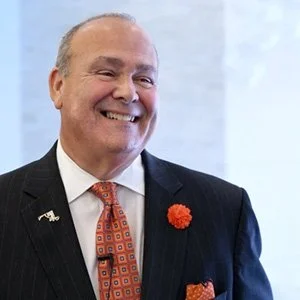
Episode #597 - Rise 2040: A conversation with Tom Hood

The accounting profession has always adapted to change—but what if it could actively shape the future instead of simply reacting to it? In this episode, Ron and Ed welcome Tom Hood, EVP of Business Engagement & Growth at AICPA & CIMA, to discuss Rise2040, the profession-wide initiative designed to help accountants and finance professionals envision—and create—the future of the profession.

Tom explains why AI, automation, shifting client expectations, and changing talent models require a new mindset centered on foresight rather than hindsight. The conversation explores the key themes emerging from the Rise2040 project, including how trust becomes even more valuable in an AI-powered world, why accountants must evolve into strategic advisors, and what firms and finance leaders can do today to prepare for the next 15 years.

Whether you’re in public accounting, industry, or simply curious about where the profession is headed, this discussion offers a compelling look at how accountants can move from reacting to disruption to leading it.

About Tom Hood
Tom Hood, CPA, CGMA, CITP, is Executive Vice President of Business Engagement & Growth at AICPA & CIMA. A longtime thought leader on the future of accounting, he previously served as CEO of the Maryland Association of CPAs and is a LinkedIn Top Voice with more than 700,000 followers. Tom leads initiatives including Rise2040, helping accounting and finance professionals prepare for an AI-driven future through innovation, leadership, and strategic foresight.

SHOW NOTES

Segment one

Segment two

  • The biggest finding from Rise2040? “What is the one thing that we absolutely can’t use. Consistently, across the world, […] responses were trust, ethics, and integrity.” —Tom Hood

  • What does the profession need to most unlearn? “You have to go from being experts to being learners.” —Tom Hood via a conversation with Ms. Brown

  • Which hard trend do you think the accounting profession is still dramatically underestimating? “I think it’s AI. That speed factor [and impact of AI]” —Tom Hood

  • “In Rise2040 we talk about the idea of AI as a force multiplier for finance and accounting professionals, both in public practice and in corporate finance.” —Tom Hood (more at this link https://www.aicpa-cima.com/advocacy/landing/rise2040)

Segment three

Segment four

  • On private equity in the accounting industry: “As we look at it, it’s just another form of capitalization.” —Tom Hood

  • Let’s end with some great news: “80% of our members are somewhat to highly optimistic about our future” —Tom Hood

  • A big THANK YOU to Tom Hood for joining us today. The Rise2040 vision report is available now at this link https://www.aicpa-cima.com/advocacy/landing/rise2040  

Bonus Content is Available As Well

Did you know that each week after our live show, Ron and Ed take to the microphone for a bonus show? Typically, this bonus show is an extension of the live show topic (sometimes even with the same guest) and a few other pieces of news, current events, or things that have caught our attention.

Click the “FANATIC” image to learn more about pricing and member benefits. 
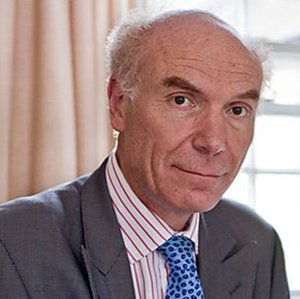
Episode #596 - Should Government Fund Science - Interview with Terence Kealey

For decades, we’ve been told that scientific progress depends on government funding. But what if that assumption is wrong?

In this episode, Ron and Ed welcome Dr. Terence Kealey—physician, biochemist, former Vice-Chancellor of the University of Buckingham, and Adjunct Scholar at the Cato Institute—to explore one of the most controversial questions in science and public policy. Drawing on his research and books The Economic Laws of Scientific Research and Sex, Science and Profits, Kealey argues that markets, private institutions, and the scientific community itself are more than capable of driving innovation without government direction.

The conversation examines the economics of scientific discovery, the incentives created by public funding, the role of universities, and whether today’s research ecosystem encourages breakthrough innovation or bureaucratic conformity. Whether you agree with Kealey’s conclusions or not, his arguments challenge deeply held assumptions about how knowledge advances and who should pay for it.

If you’ve ever wondered whether science flourishes because of government—or despite it—this episode will give you plenty to think about.

About Dr. Terence Kealey
Dr. Terence Kealey is a British physician, biochemist, and economist of science. He served as Vice-Chancellor of the University of Buckingham from 2001 to 2014 and previously lectured in clinical biochemistry at the University of Cambridge. Now an Adjunct Scholar at the Cato Institute, he is the author of The Economic Laws of Scientific Research, Sex, Science and Profits, and numerous works examining the relationship between scientific innovation, markets, and public policy.

SHOW NOTES

Segment one

  • Our guest today, Dr. Terence Kealey, has quite a depth of writings at Cato Institute. More at this link: https://www.cato.org/people/terence-kealey 

  • Regarding government funding of science, Dr. Kealey penned this article for Cato - “NIH’s Lost Mission” https://www.cato.org/multimedia/cato-podcast/nihs-lost-mission 

  • Not all government science funding is bad. “Government’s are surprisingly good at mission science.” —Dr. Terence Kealey

  • “[Universities] want government funding. And, you know, you can’t blame them. We all want government funding. People who go swimming want government funding.” —Dr. Terence Kealey

Segment two

  • “Until 1957, the American government funded only a tiny amount of mission science. The rest was all done by the private sector, and there’s no sense of important science not being done in those days.” —Dr. Terence Kealey

  • “Industrial science isn’t peer-reviewed. […] Peer-reviewed science is science that’s removed from reality.” —Dr. Terence Kealey

  • On peer-reviewed vs industrial science: “It’s technology that keeps science honest.” —Dr. Terence Kealey

  • One of Dr. Kealey’s recent features is called “Rescuing Science: Recovering Science as Civic Virtue”. More here: https://www.cato.org/multimedia/media-highlights-tv/terence-kealey-featured-lecture-rescuing-science-recovering-science 

Segment three

Segment four

Bonus Content is Available As Well

Did you know that each week after our live show, Ron and Ed take to the microphone for a bonus show? Typically, this bonus show is an extension of the live show topic (sometimes even with the same guest) and a few other pieces of news, current events, or things that have caught our attention.

Click the “FANATIC” image to learn more about pricing and member benefits. 
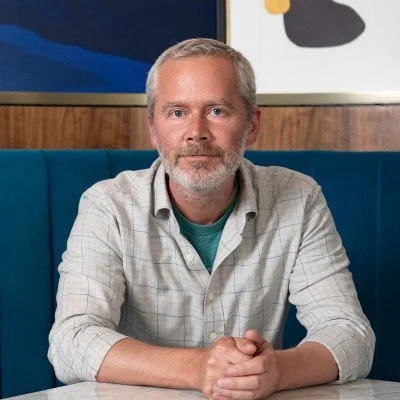
Episode #595 - Second interview with David Barrett

What happens when you refuse to build your company the “right” way?

Ron and Ed welcome back David Barrett, founder and CEO of Expensify, to discuss the unconventional thinking that transformed a simple expense reporting app into a publicly traded fintech platform. From bootstrapping product-led growth and rejecting traditional enterprise sales models to building a culture around engineering, experimentation, and long-term thinking, David shares why questioning accepted business wisdom has been central to Expensify’s success. The conversation explores innovation, leadership, AI, remote work, company culture, and why sometimes the best strategy is to ignore conventional advice and solve the problem that’s actually in front of you. Whether you’re an entrepreneur, accountant, or business leader, this episode offers a fresh perspective on building companies that last.

About David Barrett
David Barrett is the founder and CEO of Expensify, the expense and financial management platform he launched in 2008. A lifelong programmer and computer engineer, David previously led engineering at Red Swoosh before its acquisition by Akamai. Under his leadership, Expensify has grown into a global fintech company serving millions of users and became a publicly traded company on Nasdaq in 2021. He is widely recognized for his unconventional approach to technology, leadership, and product innovation.

SHOW NOTES

  • Our guest today, David Barrett, founded Expensify and is still the CEO today. More at this link: https://en.wikipedia.org/wiki/Expensify 

  • David Barrett’s main-stage appearance at Scaling New Heights 2026 in Orlando on June 14 focused primarily on what genuinely useful AI should look like inside accounting and expense-management software.

  • This was almost a throwaway quote from David but there is a GOOD bit of prescience in here: “In an AI world what functionality do you need as a platform, versus what can the AI build for you.”

  • “We think the part that sucks about expense management is trying to beg your team for information. That’s why we rebuilt Expensify around this notion of collaboration, around meeting the salesperson where they are.” —David Barrett, CEO of Expensify

  • Episode 102 was our first interview with the amazing David Barrett, CEO of Expensify https://www.thesoulofenterprise.com/102 

  • Great conversation today about the difference between Claude and ChatGPT. Here’s the (really) quick hit: Claude is more niche-focused. ChatGPT is AI for anybody.

  • “AI-driven expense management […] is the inevitable future of expense management.” —David Barrett, CEO of Expensify

  • In economics, the Jevons paradox, or Jevons effect, is said to occur when technological improvements that increase the efficiency of a resource's use lead to a rise, rather than a fall, in total consumption of that resource. https://en.wikipedia.org/wiki/Jevons_paradox 

  • On AI and our general involvement, the phrase “human in the loop” has become common. GREAT perspective from our guest today: “Fundamentally, it can’t just be humans in the loop. It should be humans in the lead.” —David Barrett, CEO of Expensify

Bonus Content is Available As Well

Did you know that each week after our live show, Ron and Ed take to the microphone for a bonus show? Typically, this bonus show is an extension of the live show topic (sometimes even with the same guest) and a few other pieces of news, current events, or things that have caught our attention.

Click the “FANATIC” image to learn more about pricing and member benefits. 
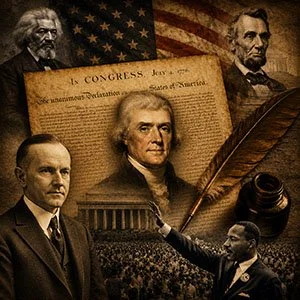
Episode #594 - The Declaration at 250

The Declaration of Independence is far more than a historical document. It is a statement of principles that has inspired generations to pursue a more perfect union. In this special Independence Day episode, Ed brings portions of the Declaration to life with a dramatic reading before Ron and Ed explore its enduring influence on America’s greatest speeches.

From Frederick Douglass’s searing critique in What to the Slave Is the Fourth of July? to Abraham Lincoln’s Gettysburg Address and Second Inaugural, Calvin Coolidge’s Sesquicentennial address, and Martin Luther King Jr.‘s iconic “I Have a Dream” speech, the conversation traces how each generation has wrestled with and renewed and expanded the Declaration’s promise of liberty, equality, and human dignity.

Join us for a thoughtful discussion on the power of words, the ideals that continue to shape the American experiment, and why the Declaration still has something profound to say nearly 250 years later.

SHOW NOTES

Segment one

  • On America’s 250th, go back to “Democracy in America” from The Economist https://www.economist.com/united-states/2026/06/11/on-americas-250th-go-back-to-democracy-in-america 

  • Tim Berners-Lee via Wikipedia https://en.wikipedia.org/wiki/Tim_Berners-Lee

  • “When in the Course of human events, it becomes necessary for one people to dissolve the political bands which have connected them with another, and to assume among the powers of the earth, the separate and equal station to which the Laws of Nature and of Nature's God entitle them, a decent respect to the opinions of mankind requires that they should declare the causes which impel them to the separation.” https://www.archives.gov/founding-docs/declaration-transcript 

  • “We hold these truths to be sacred & undeniable” — Jefferson’s original rough draft https://www.loc.gov/exhibits/declara/ruffdrft.html

  • Patrick Henry from the famous “Give Me Liberty or Give Me Death” speech: “No man thinks more highly than I do of the patriotism, as well as abilities, of the very worthy gentlemen who have just addressed the House. But different men often see the same subject in different lights; and, therefore, I hope it will not be thought disrespectful to those gentlemen if, entertaining as I do opinions of a character very opposite to theirs, I shall speak forth my sentiments freely and without reserve. This is no time for ceremony. The question before the House is one of awful moment to this country. For my own part, I consider it as nothing less than a question of freedom or slavery; and in proportion to the magnitude of the subject ought to be the freedom of the debate. It is only in this way that we can hope to arrive at truth, and fulfill the great responsibility which we hold to God and our country. Should I keep back my opinions at such a time, through fear of giving offense, I should consider myself as guilty of treason towards my country, and of an act of disloyalty toward the Majesty of Heaven, which I revere above all earthly kings.” https://avalon.law.yale.edu/18th_century/patrick.asp 

Segment two

Segment three

  • “What, to the American slave, is your 4th of July?” This is Frederick Douglass’s Fourth of July speech from 1852 https://loveman.sdsu.edu/docs/1852FrederickDouglass.pdf 

  • We will have the original Jefferson draft and the final language of the Declaration of Independence on the website for comparison. Here is the full PDF.

  • Read Martin Luther King Jr.'s 'I Have a Dream' speech in its entirety https://www.npr.org/2010/01/18/122701268/i-have-a-dream-speech-in-its-entirety 

  • “But 100 years later, the Negro still is not free. One hundred years later, the life of the Negro is still sadly crippled by the manacles of segregation and the chains of discrimination. One hundred years later, the Negro lives on a lonely island of poverty in the midst of a vast ocean of material prosperity. One hundred years later the Negro is still languished in the corners of American society and finds himself in exile in his own land. And so we've come here today to dramatize a shameful condition. In a sense we've come to our nation's capital to cash a check.” —Martin Luther King, Jr 

Segment four

Bonus Content is Available As Well

Did you know that each week after our live show, Ron and Ed take to the microphone for a bonus show? Typically, this bonus show is an extension of the live show topic (sometimes even with the same guest) and a few other pieces of news, current events, or things that have caught our attention.

Click the “FANATIC” image to learn more about pricing and member benefits. 

Episode #593 - Pricing AI Credit: Activity-based costing in a hoodie

Artificial intelligence vendors love to talk about tokens and credits, but are these pricing models really helping customers—or simply obscuring the true cost of AI? In this episode, Ron and Ed take aim at the growing trend of token-based pricing, arguing that it shifts uncertainty and risk from providers to customers while creating unnecessary complexity. Drawing on insights from pricing experts, recent industry commentary, and their own experiences, they examine why cost-based pricing has long been discredited and why customer value—not vendor costs—should determine price.

The conversation explores alternative approaches to AI pricing, including tiered models based on speed, complexity, and service levels. Along the way, Ron, Ed, and Greg discuss the rapid decline in AI infrastructure costs, the emergence of lower-cost large language models, and why today’s premium-priced AI services may face the same economic pressures that have driven technology costs downward for decades. If you’ve ever wondered whether AI credits are the modern equivalent of arcade tokens, this episode offers a provocative look at where AI pricing is headed—and why customer experience should be at the center of it.

SHOW NOTES

Segment one

Segment two

  • AI Credit Monetization: From Hype to Concrete Blueprint by Michael Mansard of Zuora https://www.zuora.com/resource/ai-credit-monetization-from-hype-to-concrete-blueprint/

  • One of the big takeaways from the Zuora white paper: Many companies are adopting AI credits because competitors are doing it, not because their business actually needs them.

  • “Activity based accounting is just cost accounting with its own wacky assumptions. It’s all bad math.” —Ron Baker 

  • “I’ve spent decades arguing against cost-plus pricing, and token-based pricing is simply cost-plus. So when I say token-based pricing makes sense right now, I want you to understand how much it pains me to type that.” The Case for Token-Based Pricing by Mark Stiving, Ph.D. (friend of the show) https://impactpricing.substack.com/p/the-case-for-token-based-pricing 

Segment three

Segment four

Bonus Content is Available As Well

Did you know that each week after our live show, Ron and Ed take to the microphone for a bonus show? Typically, this bonus show is an extension of the live show topic (sometimes even with the same guest) and a few other pieces of news, current events, or things that have caught our attention.

Click the “FANATIC” image to learn more about pricing and member benefits. 
Episode #592 - Smart People, Silly Systems: With Debra Kilsheimer

Debra Kilsheimer joins Ron and Ed for a lively discussion about leadership, culture, AI, persuasion, human nature, and the curious ability of professionals to simultaneously complain about a problem and defend the system causing it.

We'll also explore what wisdom comes with experience, why logic is a surprisingly ineffective tool for changing minds, and whether the accounting profession is finally approaching an inflection point—or just finding new ways to avoid one.

And yes, at some point we'll probably talk about the Pink Cadillac.

Debra's Bio
Debra Kilsheimer is what happens when you combine a CPA, a stand-up comic, a leadership coach, a technology enthusiast, and enough energy to power a small city. A longtime champion of helping accountants become better leaders, communicators, and human beings, Debra has spent years challenging firms to stop doing things simply because "that's the way we've always done it." 

She's a speaker, consultant, podcaster, AI enthusiast, former Mary Kay superstar, and one of the few people who can simultaneously make you laugh, think, and question your entire business model. She's a friend of the show, and recently returned from Scaling New Heights, where she was recognized for her work in AI innovation.

SHOW NOTES

Segment one

  • Debra just returned from Scaling New Heights where she was a main stage speaker https://www.woodard.com/speaker-listing-scaling-new-heights-2026 

  • On resistance to change in the accounting industry: “What’s the WORST thing that can happen if you make a mistake as an accountant? You pay a fine.” —Debra Kilsheimer

  • As a CPA, Debra did the tax returns for a Mary Kay salesperson. Thinking about leaving the accounting industry, Debra made the transition to Mary Kay early in her career. And yes, a pink Cadillac was involved.

  • Today I learned, on the basis of sales commissions, Mary Kay claims to have created more female millionaires than any other organization in the United States

Segment two

  • Why did Mary Kay choose pink? In the 1960s, most American bathrooms were white. So pink was chosen for the Company's packaging to give women beauty products they could keep conveniently on their bathroom counters.

  • Interesting conversational theme from Scaling New Heights this year: It mostly focused on AI and the reticence or fear around adoption. In other words, many accounting professionals are excited but do not know where to begin.

  • On magic vs logic work (with a hat tip to Tim Williams): “How are we creating additional value for those that we serve, and how can we use AI to do that?” —Ed Kless

Segment three

  • Ron: “We spend hardly any time discontinuing obsolete practices. Why do you think that is?”
    Debra: “Well, they’re easy. I’m used to doing it like that. Making a change is hard.”

  • Did you see new tech at Scaling New Heights that excited you? “People are getting really excited about the AI GLs that are coming out.” —Debra Kilsheimer

  • Rise2040: Co-creating our profession’s future https://www.aicpa-cima.com/advocacy/landing/rise2040 

  • How do we recruit new accountants with a message on a wrapped car? “If you want to make someone’s dreams come true, follow me!” —Debra Kilsheimer

Segment four

  • GetBlazr is a new venture from Debra Kilsheimer. Check it out here: https://getblazr.ai/ 

  • “I love being an accountant. I love it. I do think we change lives. So, I just want to make it more fun for the people on the side, the customers.” —Debra Kilsheimer 

  • A big THANK YOU to Debra Kilsheimer for joining us today. You can find her on LinkedIn at this link https://www.linkedin.com/in/debliberate 

Bonus Content is Available As Well

Did you know that each week after our live show, Ron and Ed take to the microphone for a bonus show? Typically, this bonus show is an extension of the live show topic (sometimes even with the same guest) and a few other pieces of news, current events, or things that have caught our attention.

Click the “FANATIC” image to learn more about pricing and member benefits. 
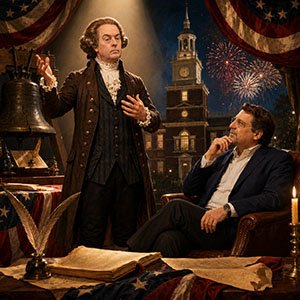
Episode #591 - Revolutionary Roundup: John Adams, the Semiquincentennial, and a Few Asides

Ron and Ed turn their attention to the upcoming Semiquintcentennial, with a little theatrical flair thrown in from Ed and his turn as John Adams in 1776. Along the way, they reflect on the ideas, personalities, and historical drama surrounding America’s 250th anniversary—and what those themes might still teach us about leadership, liberty, and public life today. If time permits, they’ll also weigh in on a few timely developments in the accounting profession and the ever-fascinating world of pricing.

SHOW NOTES

Segment one

Segment two

  • The actor who played John Adams in the original Broadway production of 1776, William Daniels (later famous as Mr. Feeny on Boy Meets World), was nominated for a Tony Award—but he actually declined the nomination because he felt the entire cast deserved recognition rather than just him. It's one of the rare instances of a performer turning down a Tony nomination.

  • The Americans Who Risked Everything https://www.101bananas.com/library2/limbaugh.html 

  • 18 were under 40 years old, 3 were under 20. What are we talking about? The signers of the Declaration of Independence 

  • Evidence heavily points to Francis Hopkinson, a signer of the Declaration of Independence and a delegate from New Jersey, as the designer of the American flag. https://www.nationalgeographic.com/history/article/betsy-ross-likely-didnt-sew-the-first-us-flag 

Segment three

  • “A land, perhaps, the only one in the universe, in which political or civil liberty is the very end and scope of the constitution.” —Sir William Blackstone

  • “The American, is the Englishman left to himself.” —Alexis de Tocqueville

  • Liberty “can be lost, and it will be, if the time ever comes when these documents are regarded not as the supreme expression of our profound belief, but merely as curiosities in glass cases.” —Harry Truman

  • “The President himself is no more than a representative of public opinion at the time of his election; and as public opinion is subject to great and frequent fluctuations, he must accommodate his policy to them; or the people will speedily give him a successor; or either House of Congress will effectually control his power.” —John Quincy Adams https://lonang.com/library/reference/jqadams-jubilee-constitution-1839/ 

  • The "original" First Amendment passed by Congress in 1789 was an unratified proposal detailing a formula to continuously increase the size of the House of Representatives as the population grew. Because it failed to secure enough state ratifications, the "third" proposed amendment regarding religious, speech, and press freedoms became today's First Amendment to the United States Constitution. https://archivesfoundation.org/newsletter/10-bor-facts/ 

  • “What the Founders’ Drinking Habits Have to Do with Gun Rights” by Charles C. W. Cooke https://www.nationalreview.com/2026/03/what-the-founders-drinking-habits-have-to-do-with-gun-rights/ 

Segment four

  • Timeline of the American Revolution https://en.wikipedia.org/wiki/Timeline_of_the_American_Revolution 

  • Lifelong frenemies Thomas Jefferson and John Adams died on the same day—July 4, 1826, exactly 50 years after the Declaration of Independence

  • “It had about it nothing of the lawless and disordered nature of a riotous insurrection. It was maintained on a plane which rises above the ordinary conception of rebellion. It was in no sense a radical movement but took on the dignity of a resistance to illegal usurpations.” —President Calvin Coolidge's 1926 speech on the 150th Anniversary

Bonus Content is Available As Well

Did you know that each week after our live show, Ron and Ed take to the microphone for a bonus show? Typically, this bonus show is an extension of the live show topic (sometimes even with the same guest) and a few other pieces of news, current events, or things that have caught our attention.

Click the “FANATIC” image to learn more about pricing and member benefits.